
When people search for hearing aids online, the first thing they see is not clarity, comfort, or results — it’s size.
“Smallest hearing aid.”
“Invisible hearing device.”
“No one will know you’re wearing it.”
It sounds tempting. But this promise often leads people into what experts call the hearing aid trap.
👉 Hearing aids are meant to help you hear — not hide your hearing loss.
Why “Invisible Hearing Aids” Are So Heavily Marketed
Modern marketing subtly pushes one message:
Hearing loss should be hidden.
This creates unnecessary fear and embarrassment — and shifts focus away from what truly matters: better hearing and better quality of life.
In reality, the right hearing aid is not about invisibility — it’s about performance.
The Hidden Compromises of Very Small Hearing Aids
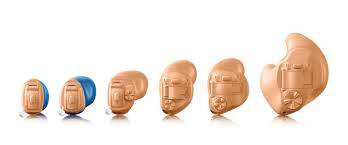
Smaller hearing aids are not “bad,” but they often come with limitations that most advertisements don’t mention.
Common compromises include:
- Reduced speech clarity, especially in noisy environments
- Limited amplification power for moderate to severe hearing loss
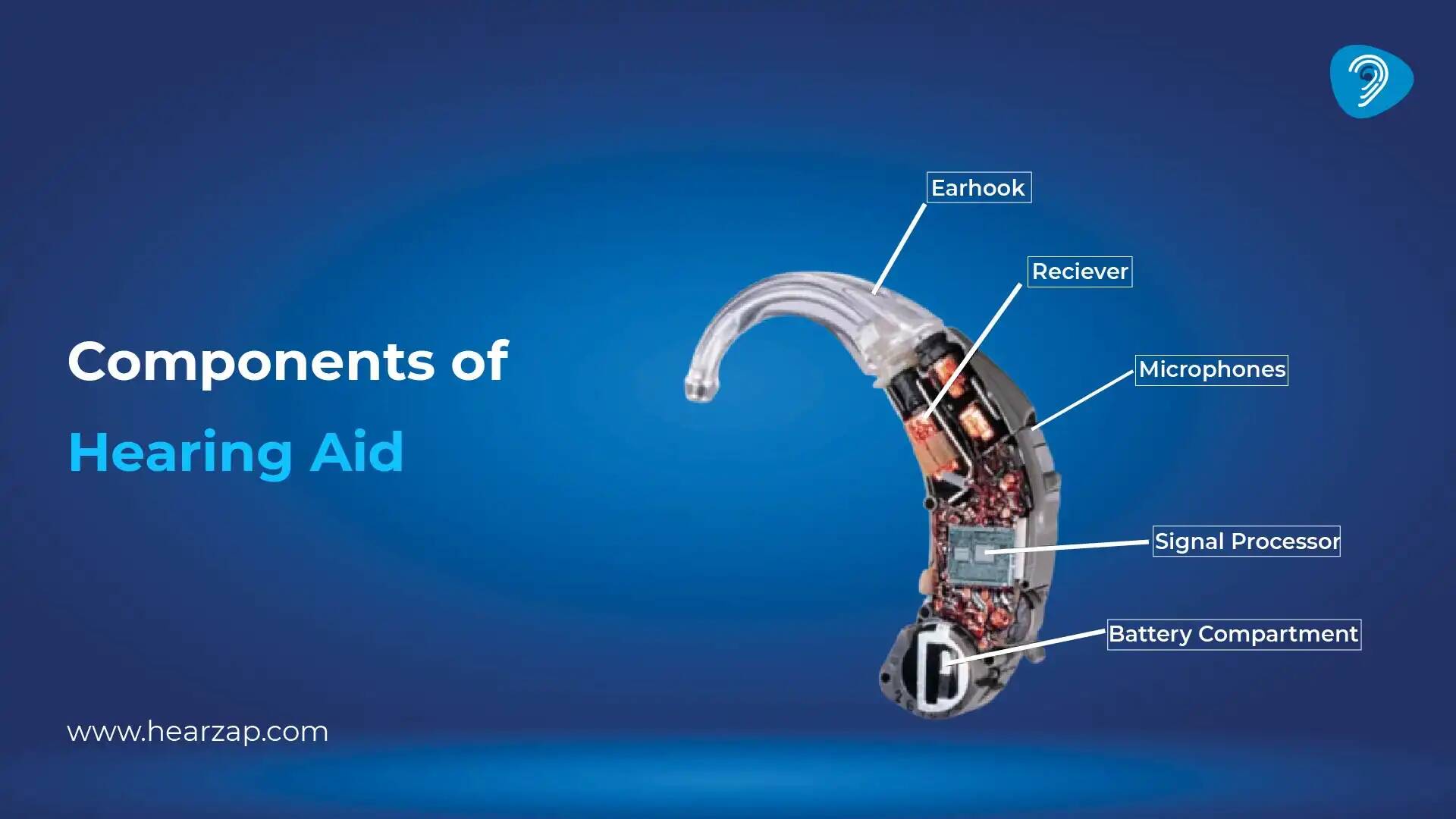
- Fewer advanced features like directional microphones or noise management
- Shorter battery life
- Less flexibility if your hearing changes over time
📌 Smaller size = less space for technology.
The Truth Most Hearing Aid Ads Won’t Tell You
There is no such thing as a perfect hearing aid.
Every hearing device involves trade-offs between:
- Size
- Power
- Sound quality
- Comfort
- Durability
- Future adaptability
The goal is not to chase the smallest device —
✔️ it’s to minimise compromises based on your hearing needs.
That’s where professional guidance matters.
Why a Slightly Larger Hearing Aid Can Be a Better Choice
In many real-life situations, a slightly larger hearing aid can offer:
- Clearer speech understanding
- Less listening fatigue
- Better performance in noise
- More stable and reliable sound
- Longer battery life
- Greater room for future adjustments
🎯 Results matter more than size.
The Role of an Audiologist: More Than Just Fitting a Device
An audiologist’s job is not to sell the smallest hearing aid —
it’s to match the right technology to your hearing loss, lifestyle, and expectations.
This includes:
- Comprehensive hearing evaluation
- Understanding your daily listening environments
- Explaining limitations honestly
- Customising the device for long-term success
How to Choose the Right Hearing Aid (The Smart Way)
Before deciding on any hearing aid, always:
✔️ Get a proper hearing test
✔️ Understand your type and degree of hearing loss
✔️ Discuss real-world expectations
✔️ Compare performance — not just appearance
✔️ Choose hearing results over marketing claims
Final Takeaway: Choose Hearing, Not Hiding
The best hearing aid is not the smallest one.
The best hearing aid is the one that helps you hear clearly, comfortably, and confidently — with the least compromise.🔊 Hear confidently. Choose wisely.
Call to Action (High-Conversion & Trust-Focused)
Struggling to Choose the Right Hearing Aid?
Don’t let online marketing decide for you.
👉 Book a professional hearing evaluation today
👉 Get personalised advice based on your hearing, your lifestyle, and your needs
👉 Experience hearing aids that focus on results, not invisibility
📞 Schedule your consultation now
📍 Visit our clinic - 2ND floor, Marvel Signet, Shirur Park Road, Shirur Park, Vidya Nagar, Hubballi, Karnataka 580031
📩 Contact us today 76760 46666
Whatsapp - Message Us